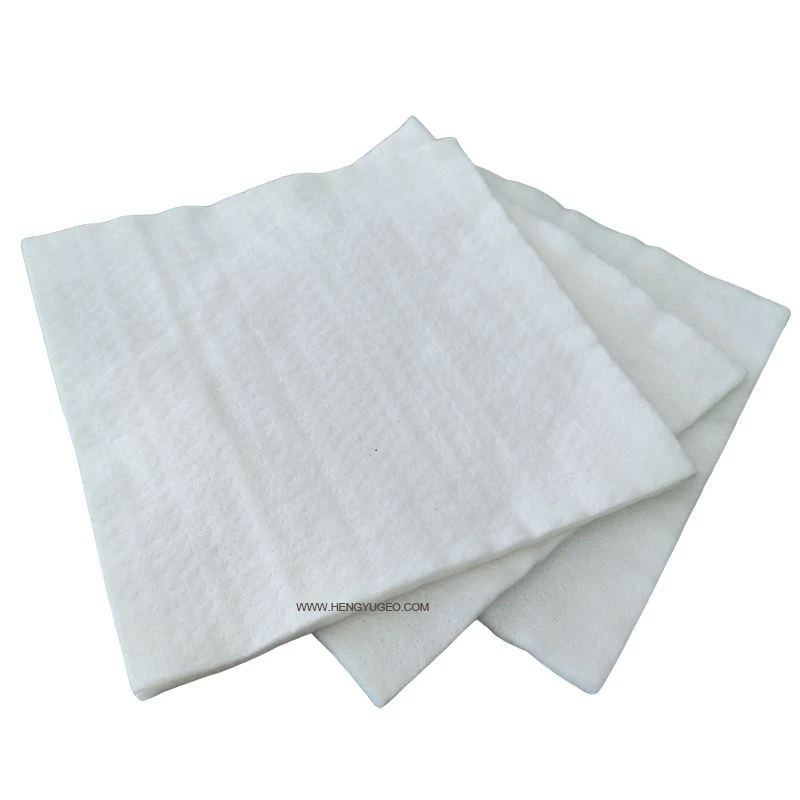
Liaoning Hengyu New Materials Co., Ltd.
High-Strength Continuous Filament
Polyester (PET) Geotextile
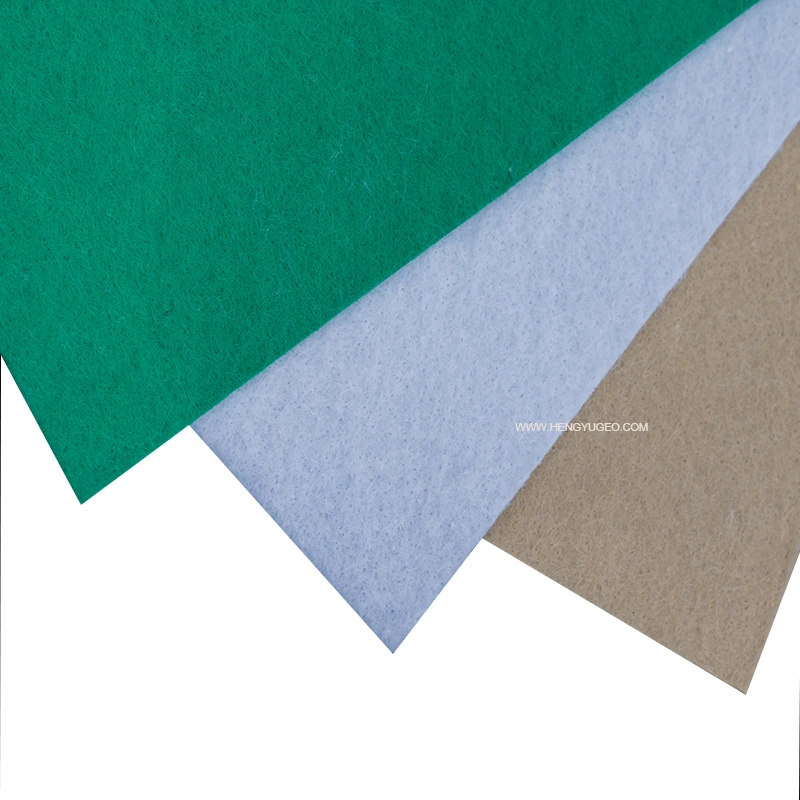
Our continuous filament nonwoven geotextiles offer superior mechanical performance compared to staple fiber alternatives. Manufactured in our Liaoning facility, these fabrics provide exceptional tensile strength and permeability for demanding infrastructure, railway, and hydraulic engineering.
- ✔ 100% Virgin PET chips for maximum durability
- ✔ Enhanced UV resistance & acid-alkali stability
- ✔ Superior CBR puncture resistance for rock protection
- ✔ Standard widths up to 6.3m (Customizable)
* We support large-scale government tenders and international export standards.
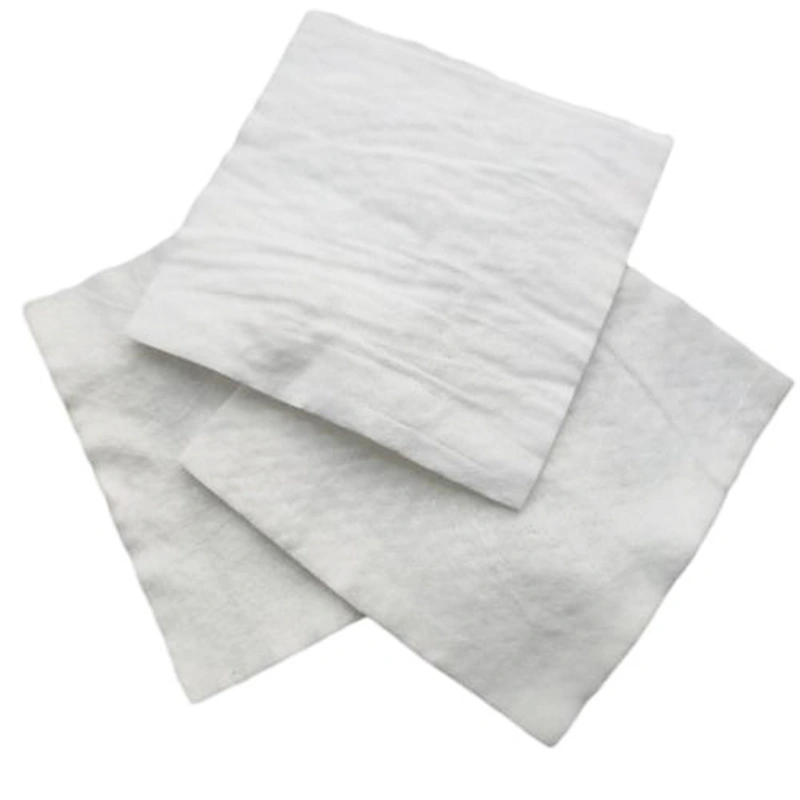
Advanced Filament Production & Quality Control
Liaoning Hengyu New Materials Co Ltd operates state-of-the-art continuous filament spunbonded lines. By controlling the process from polymer melt to finished roll, we guarantee superior mechanical integrity for global infrastructure.
The Spunbonded Process
- Polymer Extrusion: High-viscosity 100% virgin PET chips are melted and extruded into continuous filaments.
- Air Attenuation: Filaments are stretched by high-pressure air to reach optimum molecular orientation and strength.
- Web Formation: Endless strands are laid randomly onto a moving belt to form a uniform, multi-directional web.
- Needle Punching: Thousands of high-speed needles mechanically entangle the filaments into a robust, high-modulus fabric.
- Precision Finishing: Automatic trimming and heavy-duty UV-stabilized packaging ensure the product reaches the site in perfect condition.
Rigorous Quality Assurance
Our laboratory performs internal audits on every batch according to the technical requirements for filament nonwovens:
- Tensile & Elongation:
More Geosynthetics from Liaoning Hengyu
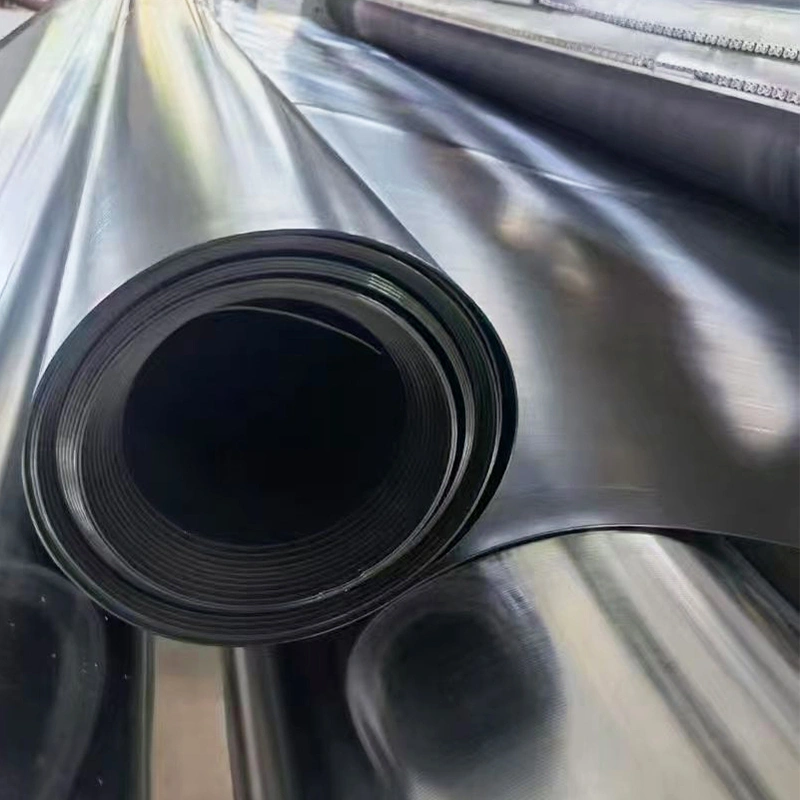
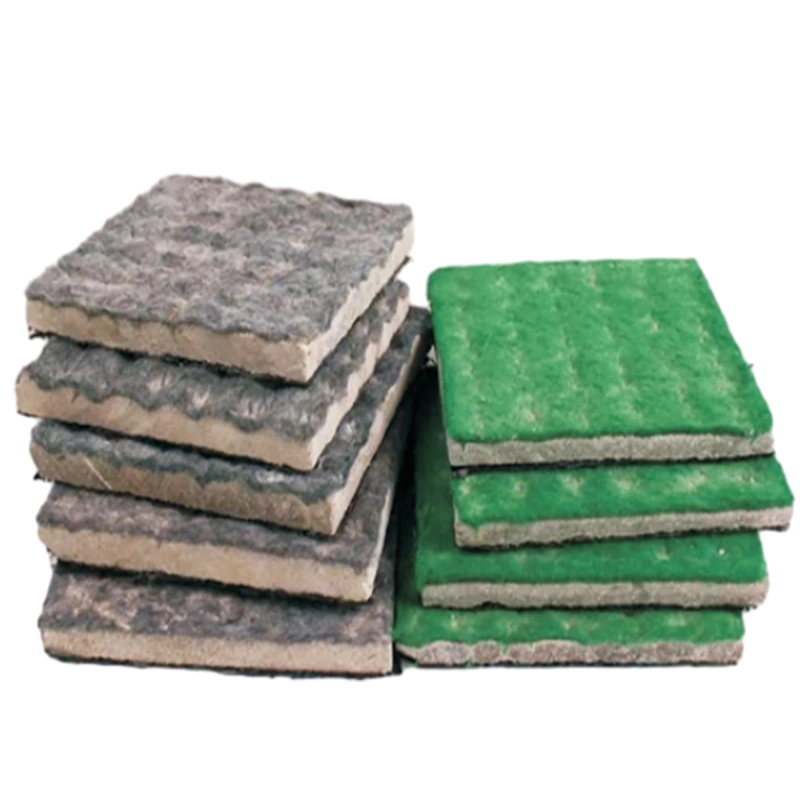
Combine short fiber geotextile with our geomembrane, composite materials and other geosynthetics for integrated solutions.